
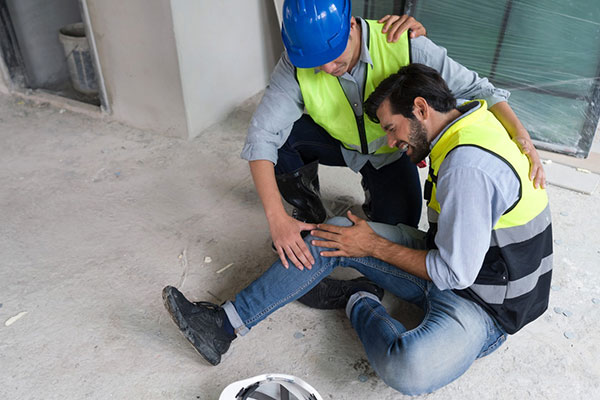
Accidents can happen without warning, turning an ordinary day into one filled with pain, uncertainty, and urgent medical decisions. Whether caused by a fall, sporting activity, road traffic collision, or workplace accident, some injuries require more than rest and rehabilitation to heal properly. Understanding which injuries may need trauma surgery in Manchester can help you seek timely treatment and improve your chances of a successful recovery.
What Is Trauma Surgery and When Is It Needed?
Orthopaedic trauma surgery focuses on treating injuries involving bones, joints, and surrounding tissues that cannot heal effectively with conservative care alone. The primary goal is to restore stability, alignment, and function while reducing the risk of long-term complications.
Trauma surgery may be recommended when:
- A fracture is displaced or unstable
- Bones are broken into multiple pieces
- A joint has been severely damaged
- A fracture extends into a joint surface
- An injury affects mobility or limb function
- There is an open fracture where the bone has broken through the skin
Specialists in trauma surgery also manage complex injuries involving the hip and knee, particularly when fractures affect these weight-bearing joints.
Common Injuries That May Require Trauma Surgery in Manchester
Not every fracture requires an operation, but certain injuries are more likely to benefit from surgical treatment.
Common examples include:
- Hip fractures
- Femur fractures
- Tibial and fibular fractures
- Complex knee fractures
- Pelvic fractures
- Periprosthetic fractures occurring around joint replacements
- Multiple fractures resulting from high-energy trauma
- Open fractures
Patients involved in road traffic accidents, falls from height, sporting injuries, or significant workplace accidents are among those who may require orthopaedic trauma surgery.
How Are Traumatic Fractures Treated?
The most appropriate treatment depends on the location, severity, and pattern of the injury.
Trauma surgeons may use techniques such as:
- Internal fixation with plates and screws
- Intramedullary nailing for long bone fractures
- External fixation to temporarily or permanently stabilise fractures
- Joint reconstruction for complex injuries
- Hip or knee replacement in selected cases where the joint cannot be repaired effectively
The objective is to restore normal anatomy as closely as possible, allowing the bone to heal while preserving joint movement and function.
When Does a Fracture Need Surgery Instead of a Cast?
Many simple fractures heal successfully with casting or bracing. However, surgery is often considered when the fracture is unlikely to heal correctly without stabilisation.
Surgical treatment may be recommended if:
- The broken bone is significantly displaced
- The fracture is unstable
- Multiple bone fragments are present
- The injury involves a joint surface
- Blood supply is compromised
- Conservative treatment is unlikely to restore normal alignment
An orthopaedic trauma specialist carefully evaluates imaging studies alongside your symptoms before recommending the most appropriate treatment.
Recovery After Orthopaedic Trauma Surgery
Recovery depends on the type of injury, surgical procedure, and overall health of the patient. Rehabilitation plays an important role in restoring mobility and reducing stiffness.
Recovery commonly includes:
- Pain management
- Early mobilisation where appropriate
- Physiotherapy
- Gradual weight-bearing as advised
- Follow-up imaging to monitor healing
- Progressive strengthening exercises
Patients with complex hip and knee injuries often require structured rehabilitation programmes to regain confidence and function during recovery.
Why Early Assessment Matters After a Serious Injury
Seeking prompt medical attention following a significant injury is essential. Delayed diagnosis or treatment may increase the risk of complications such as poor bone healing, joint stiffness, chronic pain, or long-term disability.
Early assessment allows orthopaedic specialists to:
- Diagnose fractures accurately
- Determine whether surgery is necessary
- Prevent further damage
- Develop an individualised treatment plan
- Support a smoother recovery process
Prompt intervention is particularly important for complex fractures involving major joints such as the hip and knee, where restoring alignment is critical for long-term function.
Frequently Asked Questions
What types of fractures usually require trauma surgery?
Fractures that are displaced, unstable, involve a joint, occur around existing joint replacements, or break through the skin are more likely to require trauma surgery to restore proper alignment and stability.
Can all broken bones heal without surgery?
No. While many simple fractures heal well with casts or braces, complex or unstable fractures often require surgical fixation to ensure proper healing and restore function.
How soon should trauma surgery be performed after an injury?
The timing depends on the type and severity of the injury. Some fractures require urgent surgery within hours, while others may be scheduled after swelling has reduced and the patient is medically stable.
How long does recovery take after trauma surgery?
Recovery varies depending on the injury and procedure. Some fractures heal within several months, while more complex injuries involving the hip or knee may require longer rehabilitation and physiotherapy.
When should I see a trauma surgeon in Manchester?
If you have sustained a serious injury, cannot bear weight, have severe pain, notice significant swelling or deformity, or have been diagnosed with a complex fracture, an assessment by an orthopaedic trauma specialist in Manchester is important to determine the most appropriate treatment.
Expert Care for Serious Bone and Joint Injuries
Serious injuries deserve prompt evaluation and expert management to achieve the best possible recovery. If you have experienced a significant fracture or traumatic injury, consulting an experienced orthopaedic trauma specialist in Manchester can help you understand your treatment options and begin the path toward restoring mobility and independence.
Mr. Daniel R. Cohen is a Consultant Trauma and Orthopaedic Surgeon specialising in hip and knee surgery, including primary and revision joint replacement, minimally invasive procedures, and complex trauma care. He serves as the Hip and Knee Replacement Lead Surgeon for the Northern Care Alliance NHS Group and is an Honorary Senior Lecturer at the University of Salford. He is committed to delivering evidence-based, patient-centred care while contributing to orthopaedic research and surgical education.